Good Old Sindh
Mountain Range: Baluchistan Mountains
Altitude: 1001 - 1500
Organizer: Zoon Safaris
Jose Maria Losa
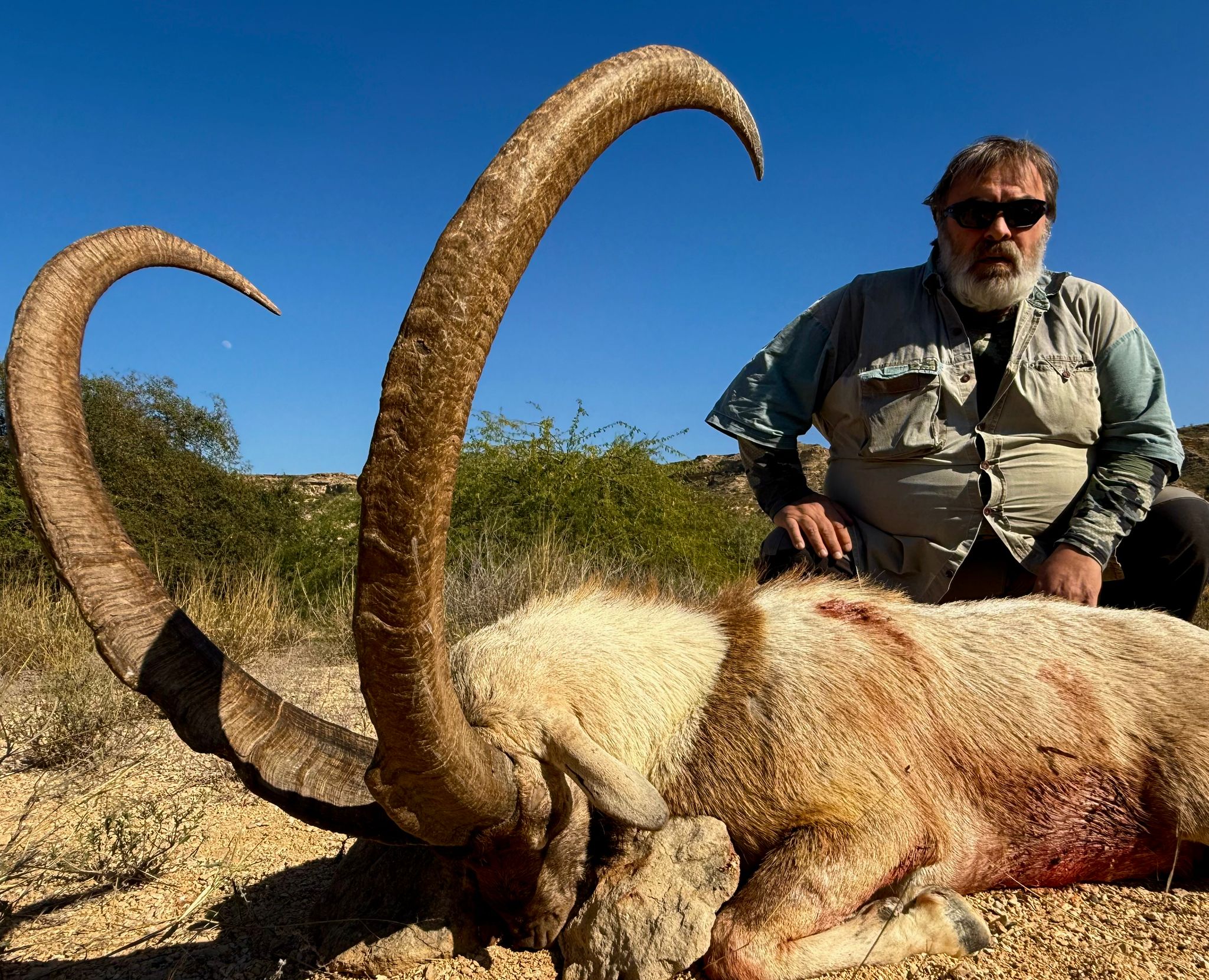
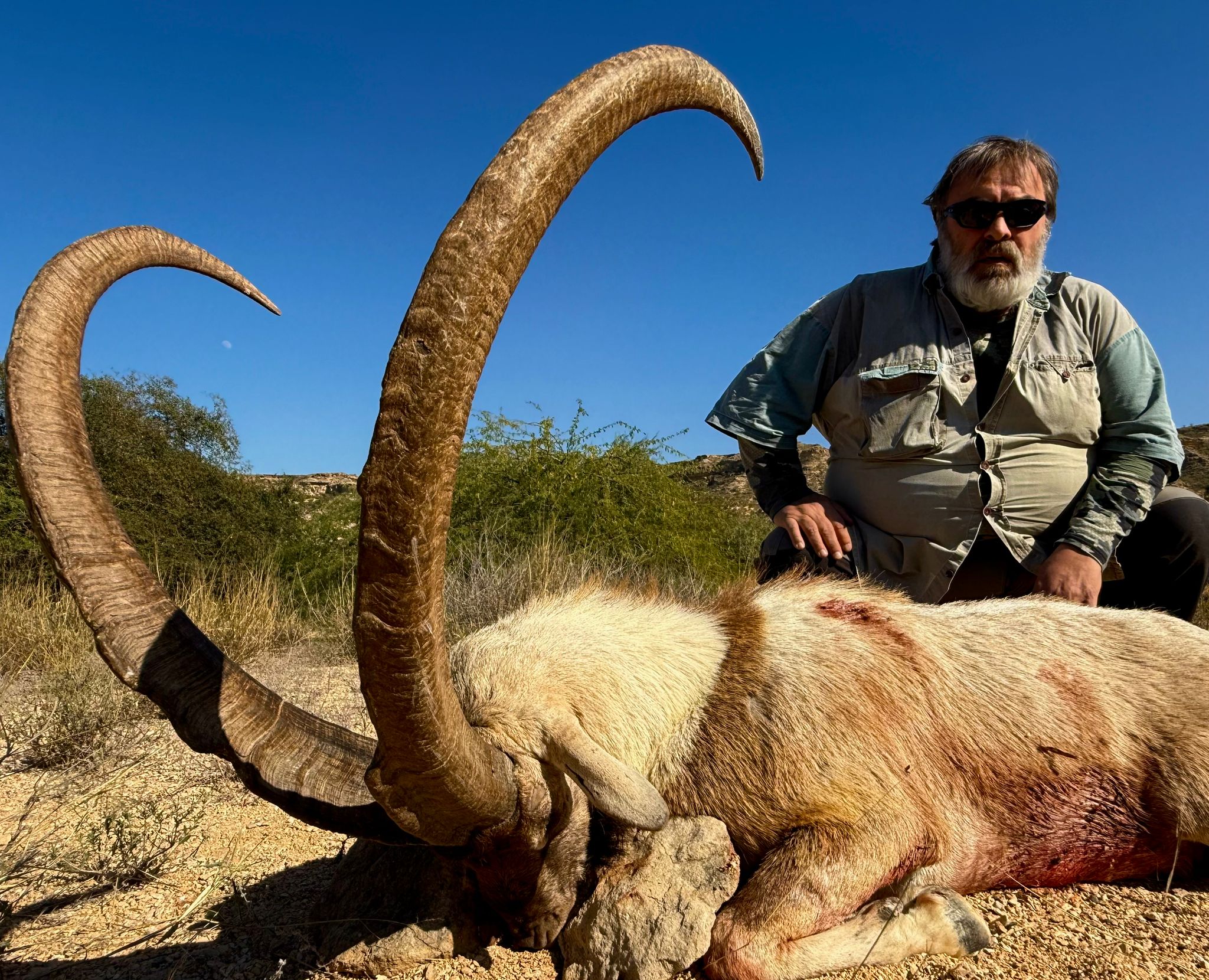
The Sindh ibex is one of those animals that seem perfectly shaped by the land they inhabit. Strong and compact, with powerful and sure-footed limbs, it moves across rock as if it were a natural extension of its own body. Adult males carry long, massive horns, deeply ringed and sweeping backward with both elegance and authority. Some individuals, especially older males, display an unusually pale, almost white coat that contrasts sharply with the dark harshness of the mountains, making them unmistakable at long distances.
It is a gregarious animal, particularly outside the rut, when males gather in large herds. Always alert and wary, it relies on height and visibility as its primary defense. In Balochistan, ibex are not simply hunted: they are followed, observed, and waited for. And almost always, they are suffered for.
Day 1
We arrived in Karachi without complications and, as soon as we landed, were taken directly to the hunting camp. The accommodation turned out to be a true mansion—impressive and unexpected—surprising us with its opulence in an environment we would soon discover to be extremely harsh.
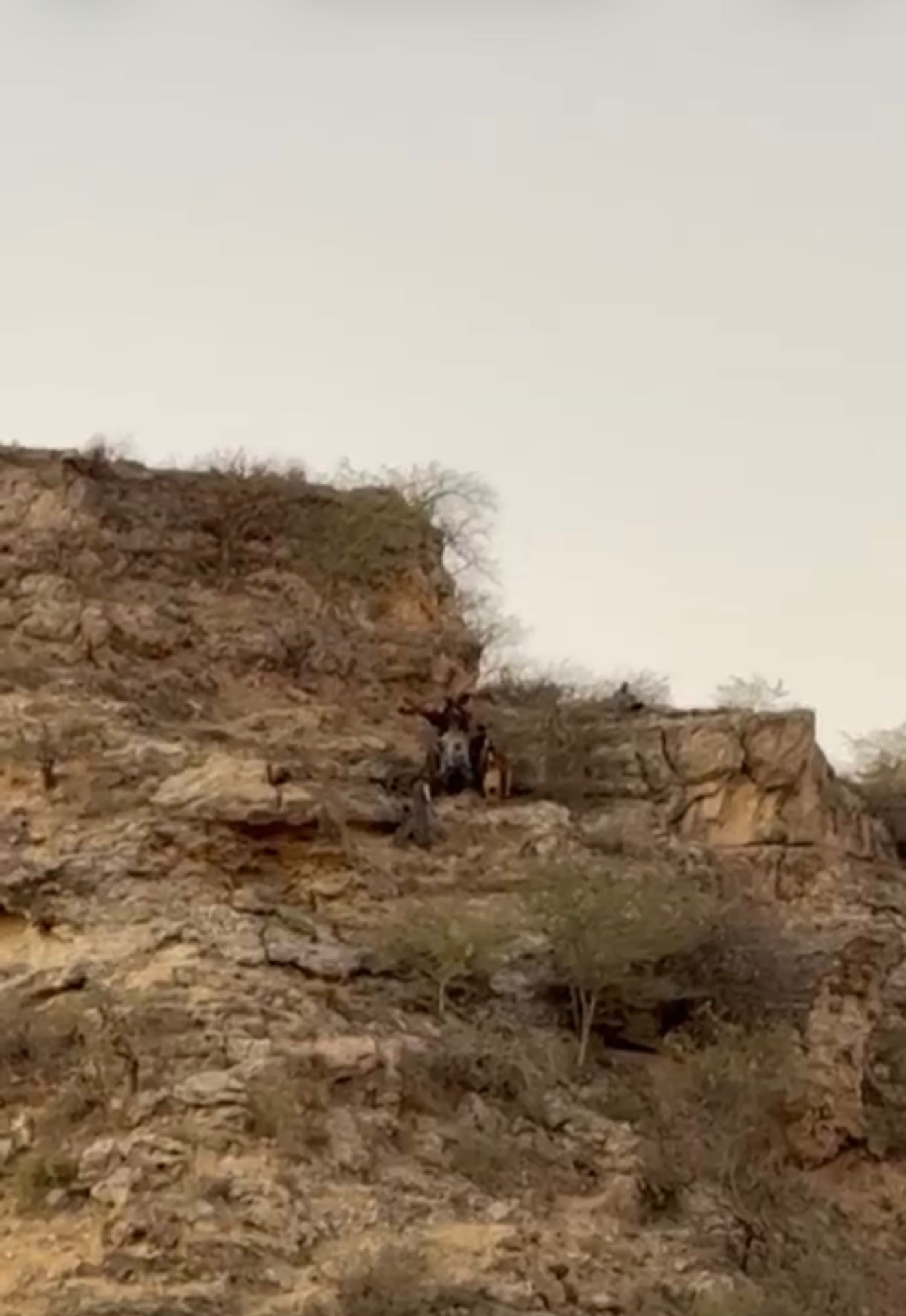
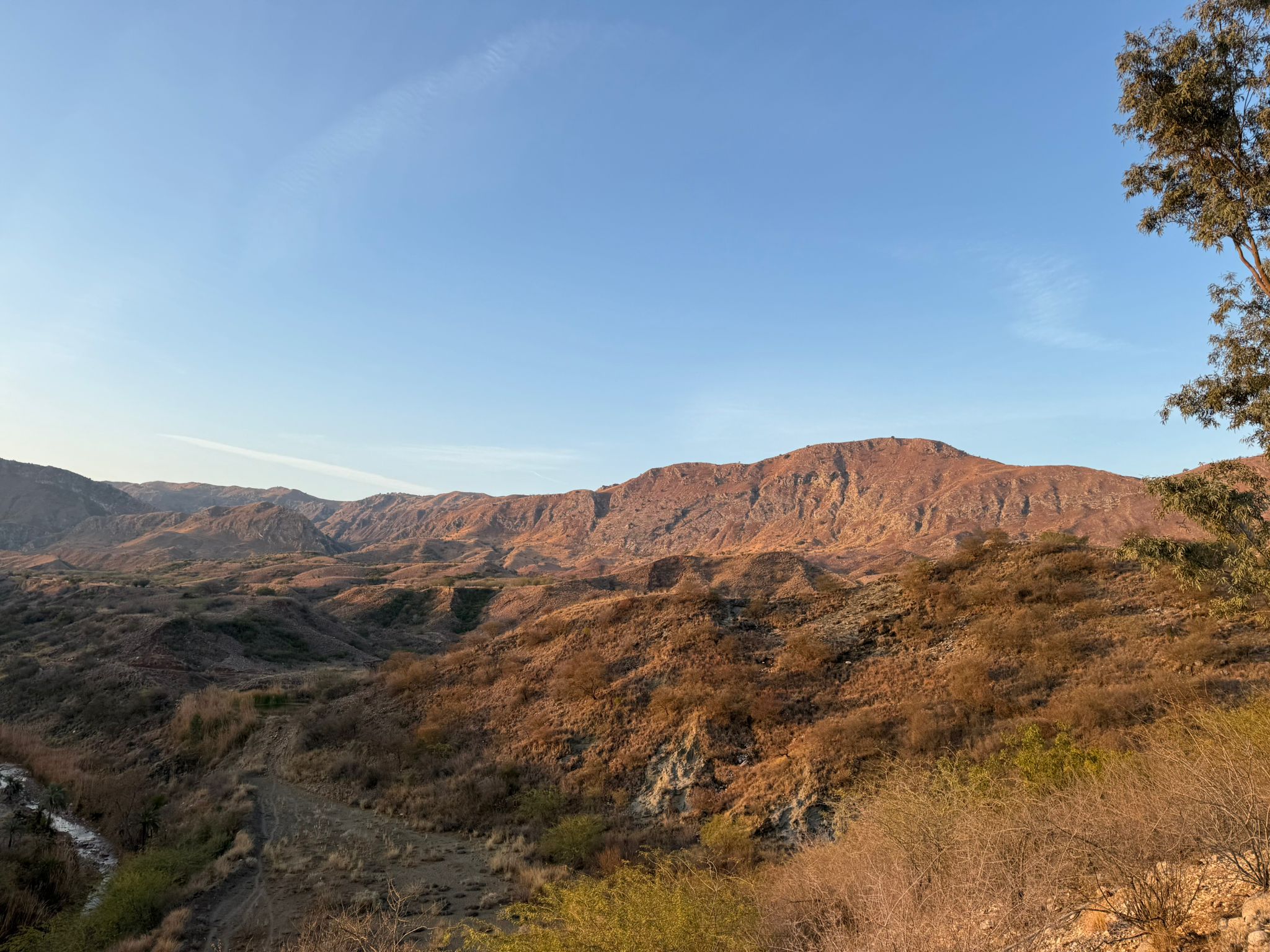
With hardly a pause, we changed clothes and headed straight toward the hunting area, entering the mountains of Balochistan. That very first day we began hunting around two in the afternoon. From the start, the tone of the expedition was clear: climb, climb, and keep climbing steep slopes. A true physical beating. Eventually we reached a plateau from which Balochistan could be fully understood: an endless succession of young, dry, fractured mountains, cut by deep ravines and infinite slopes. Rock dominates the landscape, with scarce and tough vegetation—low scrub, thorny bushes, small patches of dry grass, and the occasional twisted tree surviving wherever it can. A land that forgives no mistakes and demands constant respect.
We saw many animals, numerous groups scattered across the slopes, but none offered a clear shot. As the light began to fade and night threatened to catch us at altitude, we decided to start descending. In a moment of carelessness, I slipped and took the inevitable hard fall.
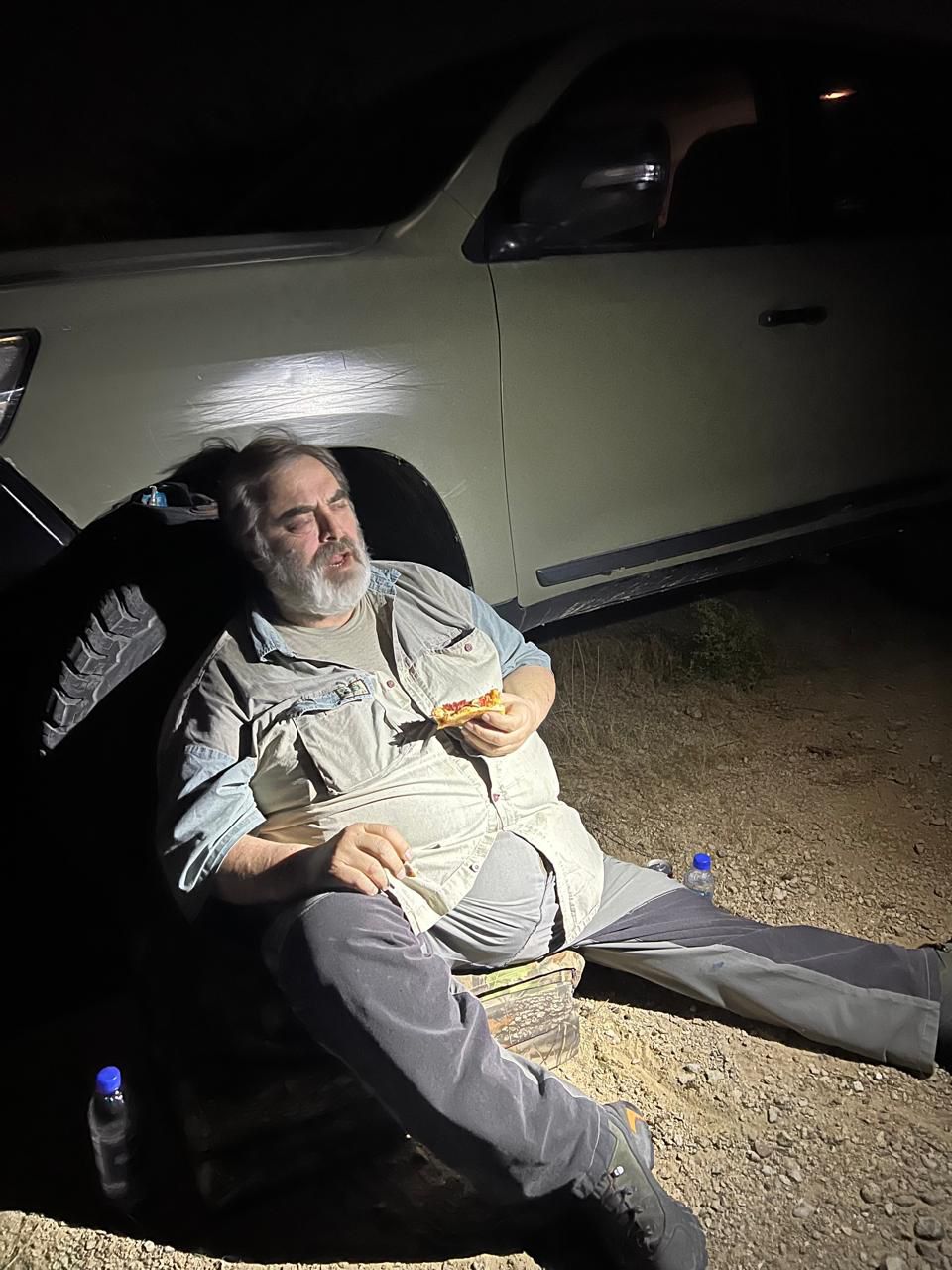
I reached the vehicles after dark. The others came down somewhat faster; I chose a slow, steady pace. Exhausted and bruised, but intact, I brought the first day to an end.
Day 2
At five in the morning we set out again, intent on gaining altitude once more. We did not reach the previous day’s highest point, stopping instead on a flat area about 200 to 300 meters lower. Although we were slightly farther from the ideal position, this spot gave us a much wider field of view.
With the first light, the ibex began to move. We located a large herd of about 25 males, along with an occasional lone female. Among them stood a gigantic male—impressive, but impossible to hunt. He never stopped moving, and the distance was around 600 meters, with no chance of closing it.
Later, a smaller group appeared. In it was a very white male that captivated me immediately. The distance was still extreme, about 500 meters, and once again a large ravine prevented any approach. I was well positioned and decided to try. I hit him, but misjudged the distance and the shot went high.
We found blood immediately. The wounded ibex moved along a slope we could not see, descending laterally toward the lower part of the mountain. We decided to split up: part of the team followed the animal’s track while I moved downhill, trying to cover the natural exit we believed he might take.
Just as I reached the base of the mountains, the call came: the ibex was turning at the lower vertex of the slope. I was given a clear second opportunity. I fired at 294 meters.
The shot was final. The animal fell in an extremely steep area. For safety reasons, I did not attempt to retrieve it myself; the team took care of it. Later, calmly, we took the photos.
We enjoyed the animal for a good while before returning to camp to rest.
Day 3
The following day we returned to Karachi, where we spent a quiet night, enjoying a wonderful dinner and reliving everything we had experienced. The next morning, after saying goodbye to Ali Sha—the outfitter of this expedition and a great personal friend—we flew back to Spain, with the memory still fresh of a hard, demanding, and beautiful hunt in one of the wildest and most authentic hunting territories left today.
Report Gallery